Education providers are prime targets for cyber attacks due to the sensitive personal data they hold, with often limited IT resources to protect it.
Education providers are prime targets for cyber attacks due to the sensitive personal data they hold, with often limited IT resources to protect it.
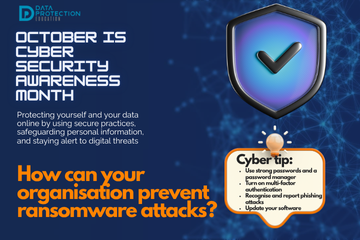
Preventing ransomware attacks requires a multi-layered approach. Regular backups are crucial - ensure they are isolated and tested. Employee training is paramount; staff must be able to recognise a phishing attempt. All software and systems should be updated to patch vulnerabilities. Strong access controls and MFA for all accounts will prevent up to 89% of data beaches.
The headlines often focus on large organisations or governments falling victim to cyber attacks, such as M&S and the Co-op, however, there is an increasing number of attacks on schools and colleges. A ransomware attack on a school can be particularly devastating, crippling operations, disrupting learning and putting sensitive student and staff data at risk.
Creating a cyber action plan will help you navigate the digital world safely. A well thought out plan can help you with a structured approach to improving your security posture, help identify weaknesses and ensure a rapid response when an incident occurs. It can move you from reactive panic to proactive preparedness.
While cyber security may sound complex and something just for 'the IT department', that couldn't be further from the truth. Cyber security is a shared responsibility, and every individual from the CEO down to the newest apprentice, plays a vital role in protection themselves and their broader digital ecosystem.
Even with the robust preventative measures, cyber attacks can happen. The key is is not to panic and to have a plan, most organisations will call this a cyber incident response plan. Knowing what to do in the immediate aftermath can significantly mitigate the damage, limit data loss and speed up recovery.
On day 3 of Cyber Security Awareness Month we are looking at data security. Data Security refers to the measures taken to protect date from unauthorised access, corruption or theft throughout its lifecycle.
Our second day of Cyber Security Awareness Month is about controlling access to your personal information and how it is used. Personal data is now constantly being collected, processed and shared. Privacy protection is about exercising control over who has access to your personal data and how it is used.
October is Cyber Security Awareness Month! And although we don't think that Cyber Security awareness is something to cover just once in the year, we are dedicating this month to raising awareness about digital safety.
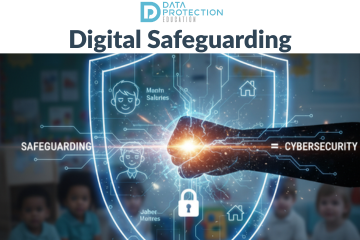
A cyber attack on nursery chain, Kido claims to have stolen photos, names and addresses of around 8,000 children. The information includes parental details and carers and safeguarding notes.
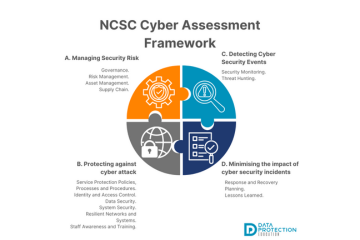
The Cyber Assessment Framework (CAF) is cyber security guidance for organisations that play a vital role in the day-today life in the UK and organisations should look to it as guidelines for helping keep data safe.

Joe Tidy, BBC's Cyber correspondent has published a blog about cyber crime in schools following the ICO issuing a warning about the 'worrying trend' of students hacking their own school and college IT systems for fun or as part of dares. We explore the situation and what you should do when it happens.
©2026 Data Protection Education Ltd.